How to Clean Gold-Plated Jewellery Without Wearing Off the Gold
Clean gold-plated jewellery safely with lukewarm water, mild soap and a soft brush, plus what to avoid and how to slow the plating wearing away.
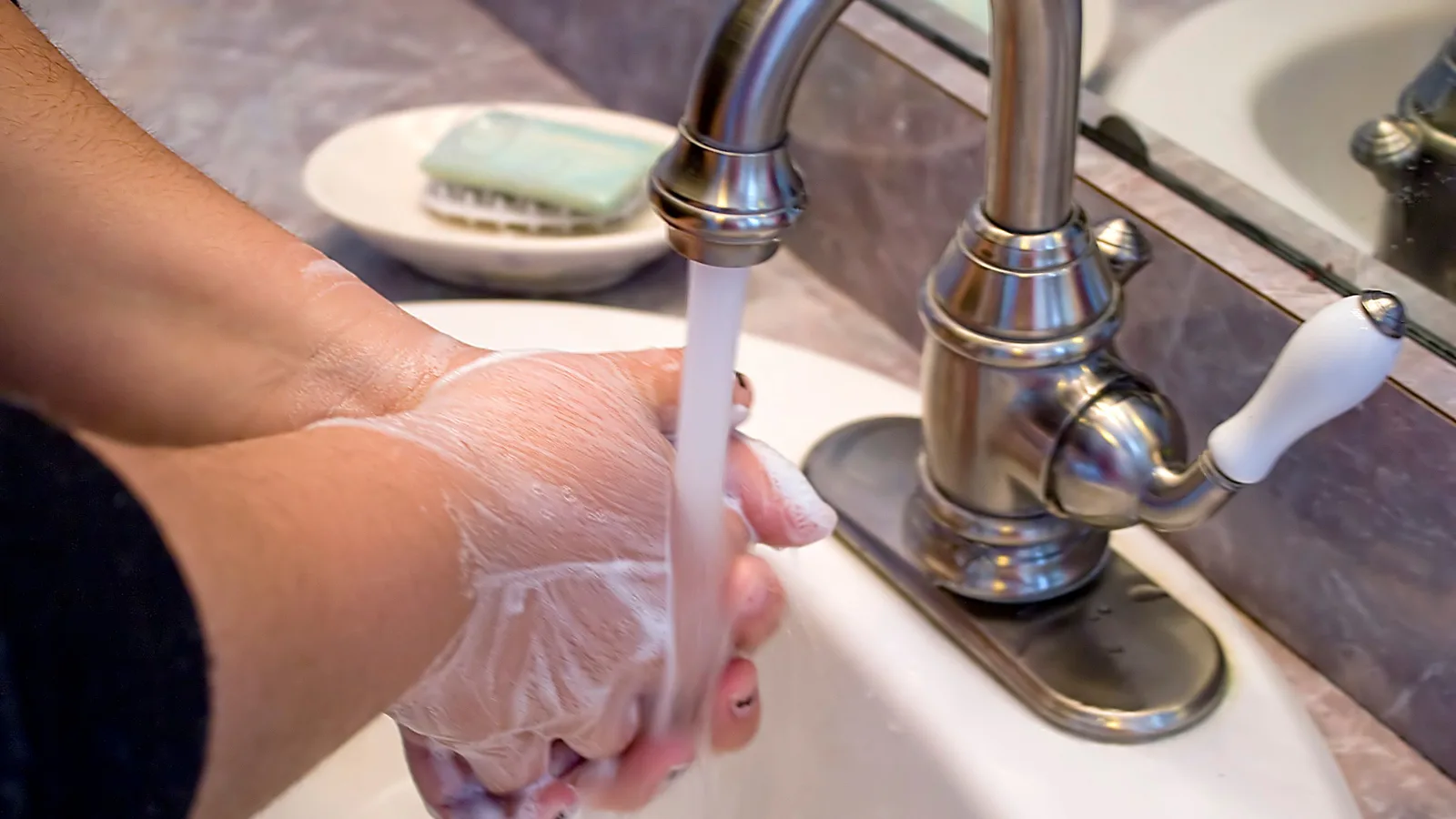
The short answer: a quick, gentle wash and nothing more
Gold-plated jewellery is a very thin layer of gold — often less than a micron — sitting on top of brass, copper or steel. That layer is soft, and every rub takes a little of it away, so the aim of cleaning is to lift off grease, sweat and dust with as little friction as possible.
The routine that does the job is simple: a bowl of lukewarm water with one small drop of mild washing-up liquid, a few minutes of soaking, a very soft brush around settings and links, a rinse in clean water, and a pat dry with a soft cloth. That is enough for everyday grime and light tarnish.
What you leave out matters just as much: no toothpaste, no bicarbonate of soda, no silver dip, no ultrasonic cleaner, no hot water and no scrubbing with a textured cloth.
What you need before you start
You almost certainly have everything already. Gather it before you start so the piece isn't sitting in water while you hunt for a cloth:
- A small bowl — not the sink
- Lukewarm water
- Mild washing-up liquid, uncoloured and unperfumed
- A baby toothbrush or a soft make-up brush
- A lint-free or microfibre cloth
- A dry towel or kitchen paper
- A cocktail stick for dirt in engraving and crevices
- Water
- Lukewarm only — hot water softens adhesives and can lift plating
- Washing-up liquid
- One small drop, mild and uncoloured
- Soak time
- A few minutes; no longer than ten
- Brush
- Baby toothbrush or soft make-up brush — never a nail brush
- Drying
- Pat, never rub, then let it air-dry completely
- Polishing
- A dry soft cloth only; no impregnated polishing cloths
How to clean gold-plated jewellery, step by step
-
Look the piece over before it gets wet
Check for loose stones, visible glue, and edges where the base metal is already showing through. If the plating has worn through or a stone is wobbling, water and brushing will make it worse — set it aside and read the repair advice further down.
-
Make a lukewarm bath in a bowl
Half-fill a small bowl with lukewarm water and add one drop of mild washing-up liquid. Swirl it with your finger. Use a bowl rather than the sink: small parts, loose stones and thin chains disappear down a plug hole.
-
Soak briefly
Three to five minutes is enough to loosen everyday grime. Don't leave a plated piece in overnight, and keep the water lukewarm rather than hot. Very small hotel-room tip: if the water feels hot on the inside of your wrist, it's too hot for the jewellery.
-
Swirl, then brush gently
Agitate the piece in the water first — that alone shifts most of it. Then use the soft brush in light circular movements: behind a pendant, along the links of a chain, around the setting. Support the piece with your fingers instead of pressing it against the bowl.
-
Rinse in clean water
Rinse in a second bowl of fresh lukewarm water, or under a very gentle tap held over a bowl. Soap left in crevices dries dull and attracts dirt, which makes the next clean harder.
-
Pat dry, then air-dry fully
Pat with a lint-free cloth, paying attention to the back of the piece and to clasps and hinges where water hides. Lay it on a dry towel for ten to fifteen minutes before you wear it or put it away.
-
Buff with a dry cloth
Finish with a few passes of a clean, dry soft cloth. No pressure and no polishing compound — you're removing the last of the water marks, not grinding the surface.
Matching the method to the piece
| Piece | Method | Watch out for |
|---|---|---|
| Fine chain | Short soak, swirl, soft brush along the links | Kinking and stretching — never pull a chain straight to dry it |
| Ring with paste or cubic zirconia stones | Dab with a soapy soft brush, rinse quickly | Glue-set stones can loosen in warm water |
| Plated earrings with posts | Wipe with a damp cloth and dry immediately | Alcohol hand gel, perfume and hairspray break down the coating |
| Bangle or bracelet with a spring clasp | Soak, brush around the clasp, dry thoroughly | Water trapped in the spring can rust or seize it |
| Plated pendant on a cord | Clean the metal only and keep the cord dry | Leather and silk cords stain and stiffen in water |
| Engraved or textured pieces | Soft brush plus a cocktail stick for the grooves | Dirt collects in lettering — don't dig it out with metal |
Tarnish, worn edges and green skin
Light tarnish on plated jewellery usually shows as a dull, slightly grey-yellow film. It sits on the surface, and the routine above removes it. What cleaning cannot fix is wear: once the gold has rubbed away at the edges, on the clasp or on the back of a ring, the base metal showing through is permanent, and only re-plating will bring the colour back.
Green or black marks on the skin are usually not dirt at all. They're a reaction between the base metal — typically copper — and sweat, soap and cosmetics. Cleaning and drying the piece properly helps, and so does taking it off before you exercise. A thin coat of clear nail varnish on the inside of a ring is a well-known short-term barrier; let it cure completely before wearing, and reapply as it wears.
What never to use, and why
- Toothpaste. Mildly abrasive, and the particles dull the gold within a couple of goes.
- Bicarbonate of soda or salt pastes. The same abrasion problem, plus salt can pit the base metal wherever the plating is thinnest.
- Silver polishing cloths and dips. They're designed to remove tarnish chemically from silver; on plating they remove gold.
- Ultrasonic cleaners. The vibration lifts plating along edges and shakes glue-set stones loose.
- Bleach, acetone, alcohol-heavy hand gel, hairspray and perfume. All strip or dull the coating, and bleach attacks the base metal underneath.
- Hot water and steam cleaners. They soften adhesives and force water into gaps you can't dry.
- Tissues and paper towel. Wood fibres are mildly abrasive; use a lint-free cloth instead.
What a home clean can and can't fix
What it does well
- Removes skin oil, perfume residue and everyday grime
- Restores the shine of the gold layer without specialist kit
- Costs nothing and takes a few minutes
- Safe enough to repeat whenever the piece looks dull
What it won't do
- Can't replace gold where the plating has worn away
- Won't polish out scratches in the coating
- Over-cleaning, even gently, slowly thins the gold layer
- Won't fix loose stones, stretched links or a broken clasp
Storing it so it stays bright between cleans
Most of the dulling you see happens in the drawer, not on the body. Airborne moisture and sulphur dull gold, and plated pieces scratch easily against harder metals and stones.
- Keep each piece in its own small pouch or zip bag, with the air pressed out
- Store jewellery away from the bathroom and kitchen, where steam and cooking fumes do the damage
- Fasten clasps before putting anything away so chains don't tangle and stretch
- Lay chains flat or hang them; don't coil them tightly around your fingers
- A small silica gel sachet in the box helps keep the air dry
Frequently asked questions
Can I use an ultrasonic cleaner on gold-plated jewellery?
No. The vibration can lift plating along edges and shake glue-set stones loose, and it offers nothing that a soft brush and soapy water won't do safely.
Does toothpaste really damage gold plating?
Yes. Toothpaste is mildly abrasive, so the particles dull the gold, and repeated use wears through thin plating at the high points of a piece.
Will cleaning bring back the gold colour where it has rubbed off?
No. Cleaning lifts grime, not wear. Once the base metal shows through at the edges or on the back of a ring, only re-plating restores the colour.
Why does my gold-plated ring turn my finger green?
It's usually copper in the base metal reacting with sweat, soap and cosmetics rather than dirt. Keeping the piece clean and dry helps, and a clear nail varnish barrier inside a ring is a temporary fix.
Can I shower or swim in gold-plated jewellery?
Best not. Chlorine, salt water and constant soap exposure break down the coating and speed up tarnishing, and water trapped in clasps can cause rust.
How can I tell whether something is plated or solid gold?
Look for wording such as "gold plated", "gold vermeil" or "GP". Solid gold is normally struck with a hallmark and fineness mark; if you're unsure, use the gentle plated method, which is safe either way.
Related articles
The Best Way to Clean Silver at Home
Learn the best way to clean silver at home: gentle washing for light dirt, polish for tarnish, the foil method for intricate pieces, and what to avoid.

How to Layer Necklaces: A Simple Guide to Getting It Right
Learn how to layer necklaces so the strands sit evenly without tangling: pick lengths that leave a gap, mix chain weights and choose one focal point.
How to Measure Necklace Length: A Simple Step-by-Step Guide
Measure a necklace, size your own neck and choose a length that sits exactly where you want it, with a simple chart and fixes for common slips.