White Gold vs Yellow Gold: Which Should You Choose?
White gold is cooler and more modern; yellow gold is warmer and easier to maintain. Compare colour, durability, cost and skin sensitivity.
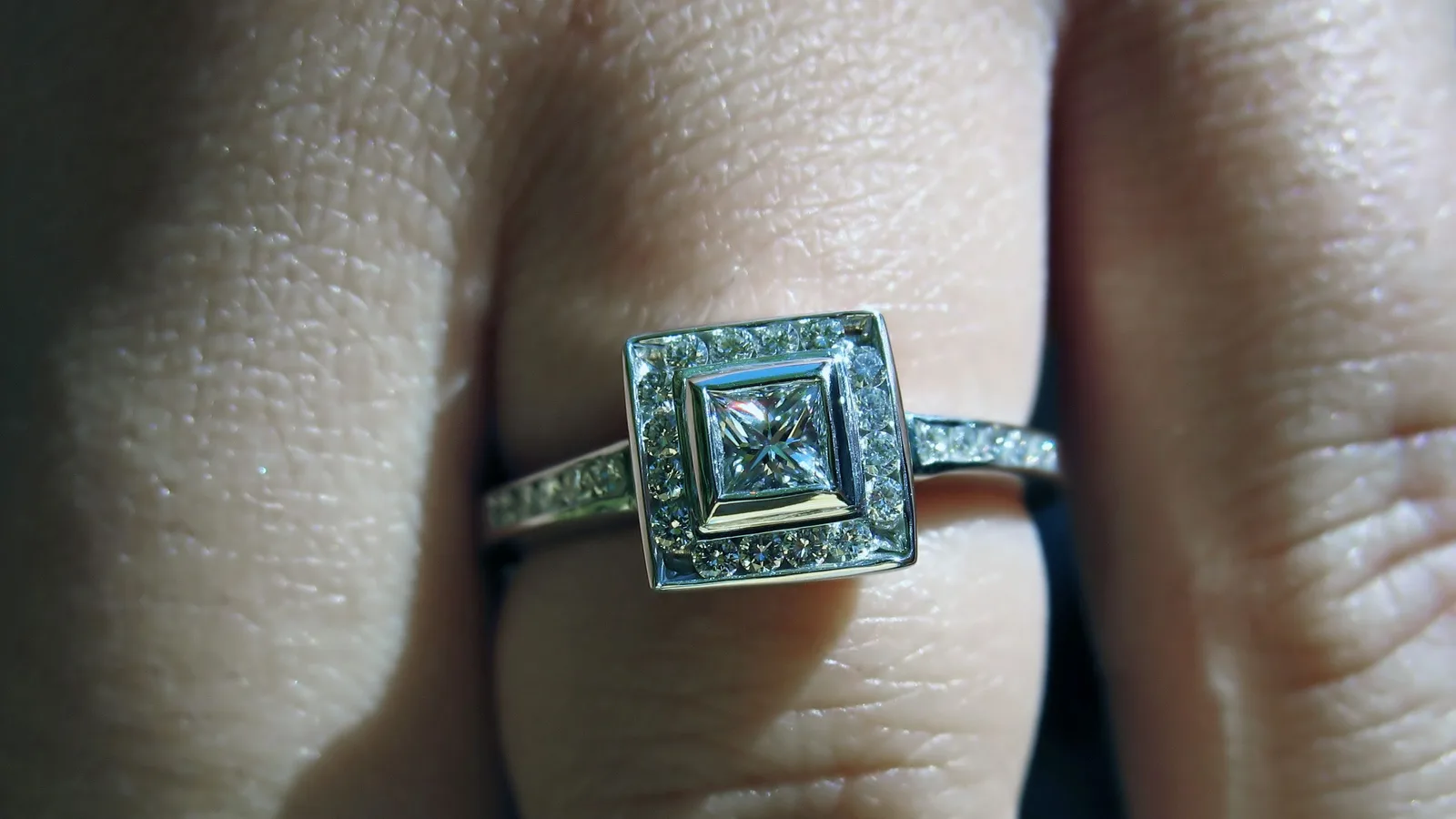
The short answer: yellow gold wins overall
If you are choosing one metal for everyday jewellery, yellow gold is the overall winner. Its colour is part of the metal, so it does not need rhodium plating to stay yellow, and everyday knocks are less likely to spoil the look. White gold is still a strong choice — especially if you prefer cool, silver-toned jewellery — but it comes with more upkeep. The rest of this guide explains where each metal wins and who should pick which.
What white gold and yellow gold actually are
Both are gold alloys. Pure 24ct gold is too soft for most jewellery, so it is mixed with other metals to make 9ct or 18ct gold. In yellow gold, silver, copper and zinc warm the colour. In white gold, the gold is mixed with white metals such as palladium, silver, nickel or zinc, and the finished piece is usually plated with rhodium to give a bright white surface. That plating is the key difference: yellow gold's colour goes all the way through, while white gold's bright finish is a surface layer.
- Yellow gold colour
- Warm yellow, produced by the alloy itself; no plating needed
- White gold colour
- Cool white, usually finished with a rhodium plating over a pale alloy
- Common UK purities
- 9ct and 18ct are the usual choices for everyday jewellery
- Gold content at equal carat
- The same proportion of fine gold, whatever the colour
- White gold alloy metals
- Often palladium, silver, nickel or zinc, depending on the maker
- Yellow gold alloy metals
- Usually silver, copper and zinc
Colour, style and skin tone
White gold looks crisp and modern, and it is the usual partner for white diamonds because the cool metal lets the stones look clean and bright. Yellow gold looks warmer and softer. It suits vintage-inspired settings, coloured gemstones and simple everyday chains, and it tends to sit comfortably with olive, warm and neutral skin tones. Cool undertones often flatter white gold, but this is not a rule. The reliable test is to hold both colours near your face in daylight and see which makes your skin look clearer rather than washed out. Also think about the rest of your jewellery: most people prefer to keep metals consistent, though mixing yellow and white gold is now perfectly acceptable.
Head-to-head: where each metal wins
| What matters | white gold | yellow gold |
|---|---|---|
| Everyday colour | Cool, bright white that can look modern or formal. Winner for cool-toned styling. | Warm yellow that blends with most wardrobes and skin tones. Winner for versatility. |
| Upkeep | Needs rhodium replating as the white surface wears, often every year or two with daily wear. | No plating to renew; occasional polish is usually enough. Winner. |
| Scratch visibility | Scratches can expose a duller, slightly grey-yellow base, so wear may look more obvious. | Fine scratches are less noticeable against the natural colour. Winner. |
| Skin sensitivity | Some alloys contain nickel; palladium-based white gold is a safer choice for sensitive skin. | Less likely to contain nickel, though alloy reactions are still possible. Winner for most sensitive skin. |
| Style with diamonds | Bright white metal can make diamonds look whiter. Winner for white-diamond settings. | Warm contrast; suits vintage and coloured-stone designs. |
| Budget over time | Purchase plus possible replating costs; palladium white gold can cost more upfront. | No replating; simpler long-term cost. Winner. |
| Resale and scrap value | Based on fine-gold content, not colour. Tie at equal carat. | Same at equal carat; colour does not add intrinsic value. Tie. |
| Classic or contemporary | Contemporary, cool and often chosen for modern engagement rings. | Traditional, warm and timeless. Winner for longevity of style. |
Durability and everyday wear
Both metals are suitable for daily rings, bracelets and necklaces, but they wear differently. A 9ct alloy is generally a little harder-wearing than 18ct because it contains more alloy metals; 18ct has a richer colour and more fine gold, but it is softer. White gold's rhodium plating is hard and bright, yet it is thin. As it wears, the piece can look duller or slightly grey-yellow underneath, which is why replating is part of white-gold ownership. Yellow gold does not have a coating to wear through, so a scratch or dent is less likely to change its colour.
Maintenance and long-term cost
Yellow gold is the lower-fuss option. It may need an occasional clean in warm soapy water and a soft brush, and a professional polish now and then if you want to remove fine scratches. White gold needs the same care plus rhodium replating when the white finish dulls; depending on wear, that may be every year or two. Palladium-based white gold can cost more upfront than alloys using cheaper white metals, and the plating adds to the long-term cost. Neither metal is a bad choice, but white gold asks you to budget for maintenance rather than just the purchase.
Skin sensitivity and alloys
Gold itself is usually inert, so most reactions come from the metals mixed with it. White gold is the one to watch if you have a nickel allergy, because some white alloys contain nickel. Palladium-based white gold is often a better choice for sensitive skin, and UK nickel rules limit nickel release from jewellery in prolonged skin contact, but they do not make every piece suitable for every person. Yellow gold alloys usually use silver, copper and zinc rather than nickel, so they are often the safer bet, though no alloy is guaranteed. Lower-carat gold contains more alloy metal, so 9ct may irritate more than 18ct for some wearers. If you have reacted before, ask the jeweller for the alloy details before you buy.
Value and resale
At the same carat and weight, white gold and yellow gold contain the same amount of fine gold, so their intrinsic gold value is the same. White gold can cost more at the till because of the alloy and the rhodium finish, and it may cost more over time because of replating. Yellow gold is usually simpler to price and maintain. If you are thinking about resale, most ordinary jewellery is valued on gold content, weight and condition rather than colour. A rhodium plating adds no scrap value. That does not make white gold poor value — it simply means you are paying for a look and a finish, not for extra gold.
Who should choose white gold
Choose white gold if the cool tone is the point: a bright white engagement ring, a modern dress bracelet or jewellery that sits alongside a cool-toned wardrobe. It is also the natural choice if you prefer a sharper, more contemporary look. Go in knowing that the white finish is maintained, not permanent.
Why white gold works
- Cool, bright finish that flatters cool-toned skin and white diamonds
- Modern look that pairs easily with cool-toned clothing and contemporary settings
- Palladium-based alloys offer a nickel-free route for sensitive skin
- Versatile for engagement rings, fine chains and modern designs
What to accept
- Rhodium plating wears and needs renewing to keep the brightest white
- Scratches can expose a duller base and look more obvious than on yellow gold
- Some alloys contain nickel, so allergy checks matter
- Usually costs more than yellow gold at the same carat because of alloy and finishing
Who should choose yellow gold
Choose yellow gold if you want a metal that looks after itself. It is the more practical choice for a daily-wear ring, a christening bracelet or a gift that will be worn for years without maintenance. The warm colour is also more forgiving with age and small scratches, and it works with everything from denim to evening wear.
Why yellow gold works
- Warm, classic colour that suits most skin tones and wardrobes
- No plating to renew; simple cleaning and occasional polishing are enough
- Fine scratches are less noticeable against the natural colour
- Often the better long-term value once white-gold replating is counted
What to accept
- Not the cool, bright look some people want beside white diamonds
- Can feel traditional or formal if your style is very modern
- Still an alloy, so sensitive skin is not guaranteed to be problem-free
Final verdict
For most people buying a piece of jewellery they intend to wear often, yellow gold is the better all-round buy. It wins on maintenance, scratch forgiveness and long-term simplicity, and its warm colour has a broad, timeless appeal. White gold remains the right answer for a cool, modern look, especially where a bright white setting flatters diamonds or matches a cool-toned wardrobe. If you are willing to look after the plating, choose white gold with confidence; if you want the easier life, choose yellow gold.
White gold and yellow gold: common questions
Is white gold more expensive than yellow gold?
At the same carat and weight, the gold content is the same, so the raw metal value is equal. White gold often costs more because of its alloy and rhodium plating, but compare like-for-like pieces rather than assuming.
Does white gold turn yellow?
The rhodium plating can wear to reveal the paler alloy underneath, which may look greyish or slightly yellow. Replating restores the bright white finish; the gold itself has not changed colour.
Can I wear yellow gold every day?
Yes. 9ct and 18ct yellow gold are both suitable for daily jewellery. Remove rings for harsh chemicals, heavy DIY and gym sessions to reduce scratches and dents.
Which is better for an engagement ring?
White gold is popular for white diamonds and a cool, modern look; yellow gold is warmer and needs less maintenance. Choose the colour you prefer, then check the alloy if you have sensitive skin.
Is yellow gold hypoallergenic?
No jewellery metal is guaranteed hypoallergenic. Yellow gold alloys are less likely to contain nickel than some white gold alloys, but reactions can still happen, especially with lower-carat gold.
Related articles

18k vs 14k gold: which is better for jewellery?
We compare 18k and 14k gold on purity, colour, durability, cost and everyday wear to help you choose the right jewellery for gifts and keepsakes.
Gold vs silver jewellery: which should you choose?
We compare gold and silver jewellery on cost, durability, skin sensitivity and style, so you can pick the right metal for a gift or a treat for yourself.
Platinum vs Gold: Which Metal Suits Your Jewellery?
Platinum or gold for your next ring or keepsake? We compare colour, durability, cost, care and resizing to help UK buyers choose with confidence.